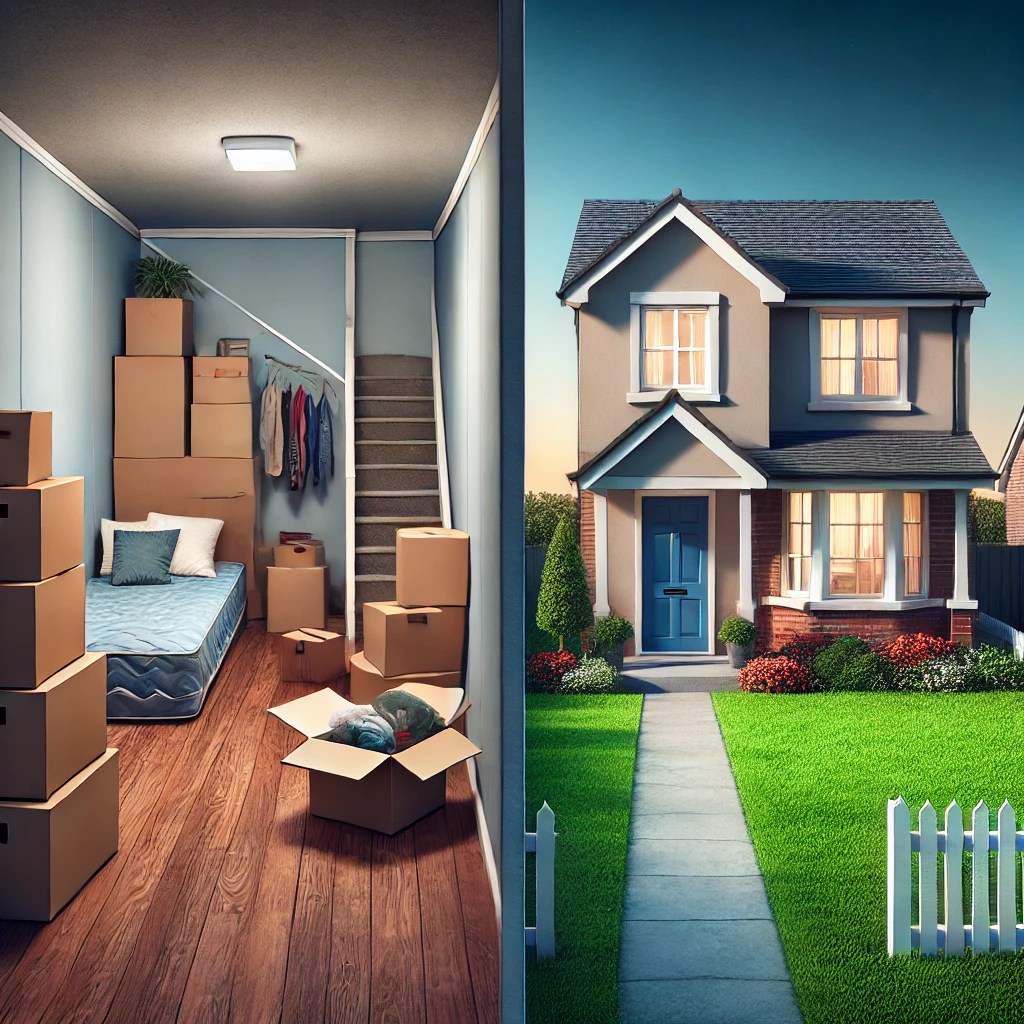
For many, the decision between buying a home and renting comes down to one key factor—affordability. But beyond just the monthly payment, it’s essential to consider the long-term benefits and financial impact of each choice. Let’s break down how to balance your monthly payment while making the smartest decision for your future.
Understanding the Cost of Renting
Renting is often seen as the more flexible option, but it comes with its own set of financial challenges. When you rent, your monthly payment typically covers:
- Rent – A set amount paid to your landlord each month.
- Utilities – Depending on your lease, you may pay for water, electricity, gas, and internet separately.
- Renter’s Insurance – Usually required by landlords, this protects your belongings but doesn’t build equity.
- Rent Increases – Many leases include annual rent hikes, meaning your cost of living can rise unpredictably.
While renting may have a lower upfront cost, you’re essentially paying for a place to live without building wealth or long-term financial security.
Breaking Down the Cost of Owning a Home
Buying a home requires a larger initial investment, but it offers long-term financial benefits. Your monthly payment as a homeowner typically includes:
- Mortgage Payment – Covers principal and interest on your loan.
- Property Taxes – Varies by location but is often included in your mortgage payment.
- Homeowners Insurance – Protects your investment and is required by lenders.
- Utilities & Maintenance – Owning means taking care of all necessary repairs and upkeep.
- HOA Fees (if applicable) – Some neighborhoods have association fees for shared amenities.
Unlike renting, homeownership allows you to build equity over time—essentially growing your net worth as you pay down your mortgage.
Balancing Monthly Costs: How to Decide?
So, how do you decide what’s best for you? Consider these key factors:
1. Compare Monthly Payments
While mortgage payments can be similar to rent, homeowners have additional costs (like maintenance and insurance). However, rents often rise, while a fixed-rate mortgage stays consistent.
2. Consider Long-Term Wealth Building
Every mortgage payment you make builds equity, which renting does not. Homeownership allows you to leverage your investment for future financial opportunities.
3. Factor in Market Conditions
Home values generally appreciate over time, meaning the home you buy today may be worth more in the future. Renting, on the other hand, is purely an expense with no return on investment.
4. Think About Lifestyle & Flexibility
Renting offers mobility and fewer responsibilities, which can be ideal for those who move frequently. Owning provides stability, control over your living space, and potential tax advantages.
The Bottom Line
Balancing your monthly payment is about more than just what you pay each month—it’s about your long-term financial health. Renting may work best for short-term flexibility, but homeownership offers lasting wealth-building potential. If you’re considering a home purchase, let’s talk about how to make it a smart financial move that aligns with your budget and goals.
Ready to explore your home-buying options? Contact me today to start the conversation!
 Thoughts and Meandering Opinions of Realtor Craig Bertrand
Leave a comment